Integrated Chiropractic Care: One Roof Isn't One Plan
Several services under one roof can still mean separate plans. The four questions to ask a clinic, from realistic expectations to scope and referrals.
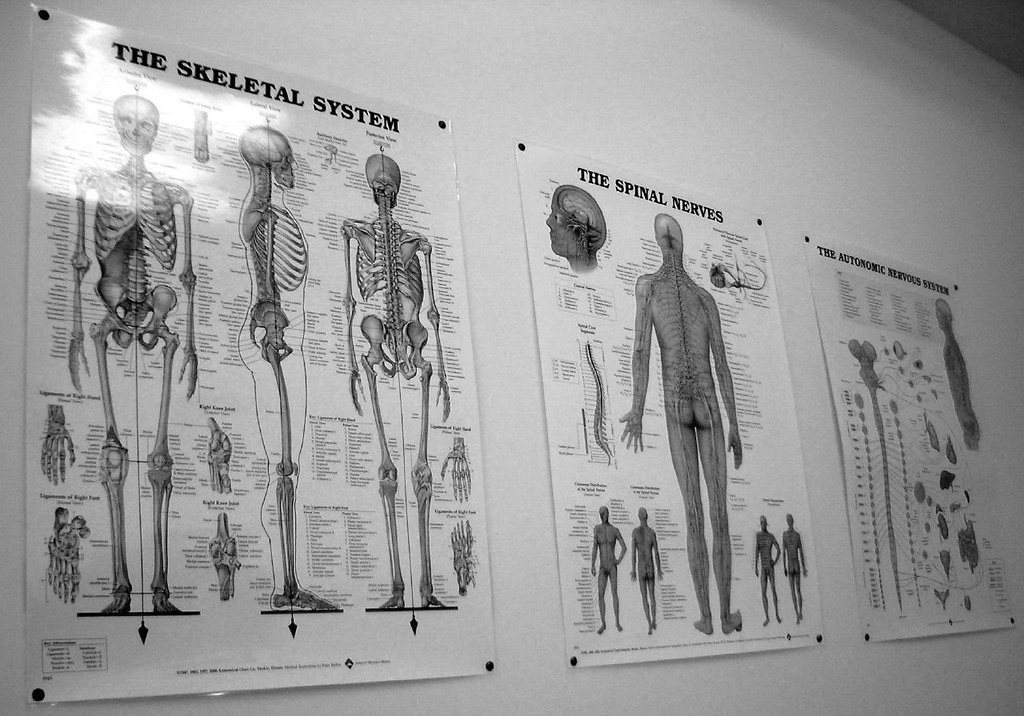
Integrated care should mean one plan, not more appointments under one roof.
Disclosure: this page has no affiliate links.
Back pain affects 8 out of 10 people at some point in their lives, according to MedlinePlus. When you look for help, you may find clinics that put several services and providers in one building and call it “integrated.” This guide covers where that word comes from, what spinal manipulation can realistically add, and five checks to run before you book.
Not medical advice. This guide summarizes public health sources and one trade article. It is not a substitute for a health care provider. MedlinePlus says to call your health care provider if your back pain is severe or doesn’t improve after three days, and to get medical attention if you have back pain after an injury.
One roof doesn’t tell you whether your care is coordinated
Putting several services under one roof only puts them in one building. What matters to you is what happens between the rooms: whether everyone who sees you works from the same plan.
The sources in this guide don’t set a standard for that. NCCIH (the National Center for Complementary and Integrative Health, part of NIH) does describe how chiropractors work. They take a detailed health history, examine you and run tests, then develop a management plan and monitor your progress. That gives you something concrete to ask for: the plan itself, in writing. Whether a clinic shares that plan with every provider is something you have to ask about. Step 5 below gives you suggested questions.
Efficiency claims describe the business, not your care
Some “integration” language comes from practice management. An article in Chiropractic Economics argues that a practice won’t find the power of integration “by adding to inefficiencies, but rather by aligning success characteristics.” It ranks four business principles in order: efficiency, proficiency, productivity, then profitability. That is advice about running the business.
It’s a fair goal for an owner. Your question is narrower: does that alignment reach your plan? Shorter waits and one bill are efficiency. They’re useful, but they aren’t a shared plan.
Manipulation’s measured benefit is small to modest
NCCIH puts it plainly. For acute and chronic low-back pain, spinal manipulation may lead to small improvements in pain and function. “Function” means how the pain affects daily life: walking, standing, sleeping and household tasks. The two reviews NCCIH cites show what “small” means:
- Acute pain (no more than 6 weeks): a 2017 analysis of 15 studies linked manipulation to “a modest improvement in pain.” That is about the same benefit as nonsteroidal anti-inflammatory drugs (NSAIDs), per NCCIH.
- Chronic pain: a 2019 review of 47 studies found that short-term (1 month) relief from manipulation or mobilization was similar to other recommended therapies, such as exercise or drugs. For function, manipulation or mobilization did slightly better. Mobilization is the gentler version: no thrust, and it stays within the joint’s natural range of motion (NCCIH).
NCCIH rates the evidence in both reviews as moderate rather than high quality, because the results were not completely consistent. It also reports that the American College of Physicians’ 2017 guidelines list manipulation as one of several options that may help with acute or chronic low-back pain, while calling the strength of the evidence for it low.
So manipulation is one reasonable option among several, not a reason on its own to pick a clinic. A promised result bigger than “small” or “modest” is bigger than NCCIH reports.
The chronic-pain evidence measured relief at 1 month, so ask for a 1-month check-in and a written referral point
Run these five checks in order before you book.
-
Symptom pattern. The NCCIH findings above are for low-back pain. Sciatica is a different pattern: it can start in the lower back and extend down your leg to your calf, foot or even your toes, usually on one side of the body. If your pain follows that path, the evidence in this guide doesn’t describe your case. Ask the clinic how it would assess it.
-
Duration. NCCIH’s acute finding covers pain of no more than 6 weeks. MedlinePlus calls back pain chronic once it lasts more than three months. NIAMS (the National Institute of Arthritis and Musculoskeletal and Skin Diseases) calls pain that lasts 4 to 12 weeks “subacute”. If you’re in that middle window, ask how the clinic decides what to offer.
-
Expected benefit. Ask what change the clinic expects and by when, and get it in writing. The chronic-pain review measured relief at 1 month, so around that point is a suggested time to ask “is this working?” Compare any target you’re given with “small” and “modest.”
-
Accredited training and license. Confirm that your clinician’s Doctor of Chiropractic (D.C.) degree comes from an accredited program. NCCIH explains that D.C. programs are accredited by the Council on Chiropractic Education, and that in 2017 there were 15 accredited D.C. programs on 18 campuses. To practice in the U.S., chiropractors must also pass the National Board of Chiropractic Examiners exam and hold a state license. Their scope, meaning what they’re allowed to do, varies from state to state. Ask what your clinician may do where you live, and who in the clinic covers the rest.
-
Referral coordination. This is where “integrated” gets tested. None of the sources here sets a standard, so these are suggested questions:
- Who owns my plan, by name?
- Where are my progress notes kept, and does everyone who sees me read them before my visit?
- What result at the check-in would lead to a referral out, and to whom?
Ask for the answers on paper, alongside the management plan NCCIH describes.
Skip it if exercise alone fits your plan
The weak point of the integrated pitch is that its main service gives small to modest gains. The integration article cited here is about business success, not patient results. The NCCIH reviews compare therapies with each other. None of the sources in this guide shows that an integrated clinic gets better results than separate appointments.
So the case for one roof is practical, not proven: one plan, one person tracking it and a written exit point, if the clinic can answer step 5. Book one if your pain matches the low-back pain the evidence covers, you want manipulation alongside other options, and you’d rather have one person keeping track. Skip it in these cases:
- Your plan only needs exercise. Exercise is one of the therapies NCCIH found to give similar short-term relief for chronic pain, and you don’t need a multi-service clinic to run it. Do this instead: start with a home routine from CrackedBack’s free exercise-routine guide, and give it the same 1-month check-in.
- The clinic can’t answer step 5. Without a named owner and a referral point, you’re getting separate appointments under one roof.
FAQ
Should I rest in bed until my first appointment? Not for long. MedlinePlus notes that staying in bed for more than 1 or 2 days can make back pain worse.
Will insurance pay for chiropractic care? It might. NCCIH says health insurance plans may cover chiropractic, but coverage may be partial rather than complete. Check with your plan before you prepay for a package of visits.
Does the manipulation evidence apply to sciatica? The NCCIH findings cited here are for low-back pain. Pain that follows the sciatica path into the leg is a different pattern, so this guide’s evidence doesn’t say what manipulation would do for it. The last section covers when to contact a health care provider.
When to see a clinician
MedlinePlus gives two clear prompts. If your back pain is severe or doesn’t improve after three days, call your health care provider. If you have back pain after an injury, get medical attention (MedlinePlus). These apply whether or not you’ve booked a clinic, and a clinic’s check-in date doesn’t replace them.
If you’re unsure whether your pain is low-back pain or the sciatica pattern that runs into the leg, MedlinePlus’s general advice applies: contact a health care provider if you have questions about your health.
Sources
- https://www.chiroeco.com/the-power-of-integration-in-chiropractic-practice/
- https://medlineplus.gov/backpain.html
- https://www.nccih.nih.gov/health/chiropractic-in-depth
- https://www.nccih.nih.gov/health/spinal-manipulation-what-you-need-to-know
- https://medlineplus.gov/sciatica.html
- https://www.niams.nih.gov/health-topics/back-pain