Using Ice Packs for Sciatica Pain? Check Harvard Health's Timing
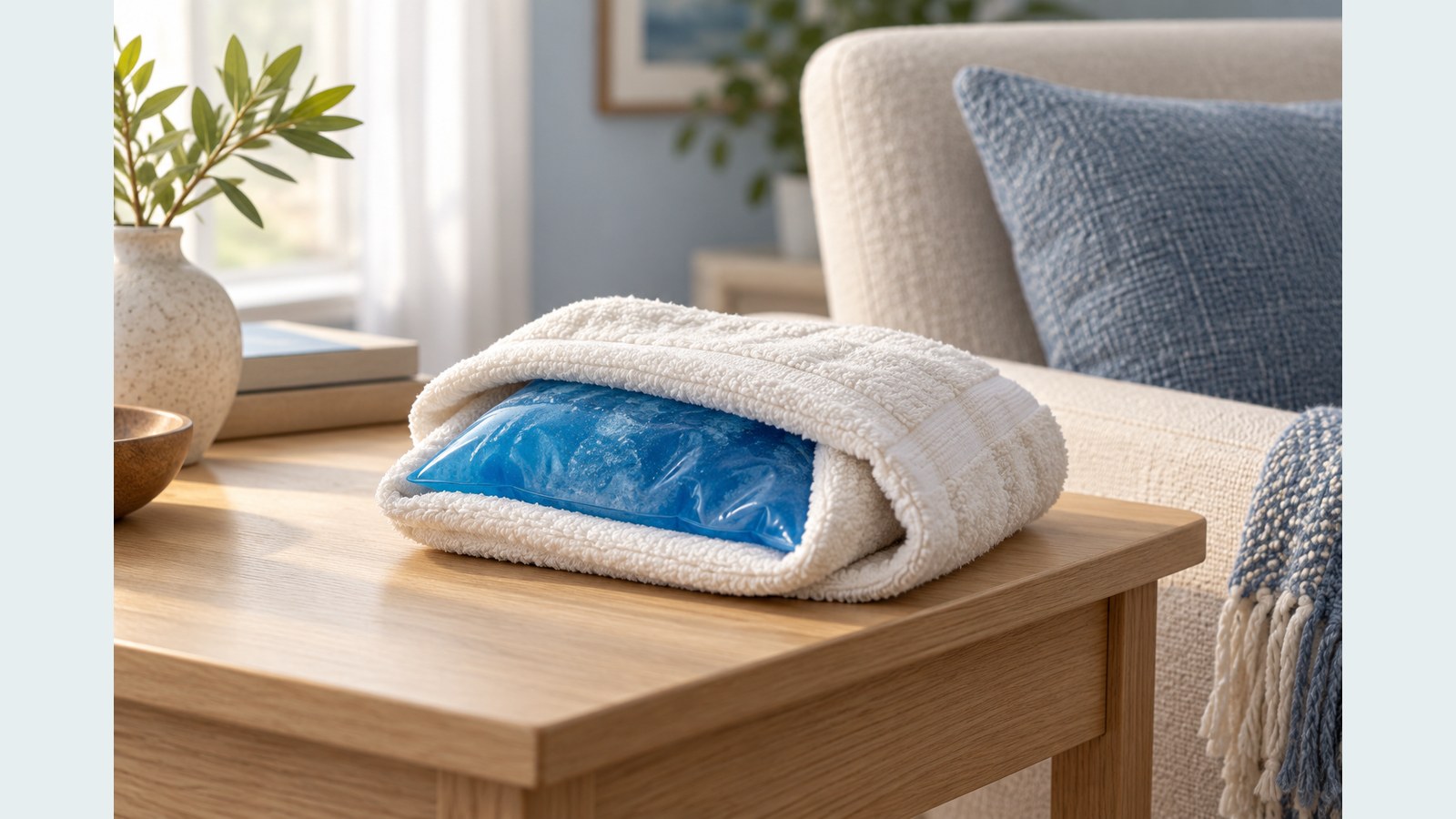
Yes, as an early step: Harvard Health, Hartford HealthCare and Goodman Campbell all put ice first, about 15 to 20 minutes at a time, then switch to heat. They differ on when to switch: after 48 hours, after 72 hours, or after 'the first few days.'
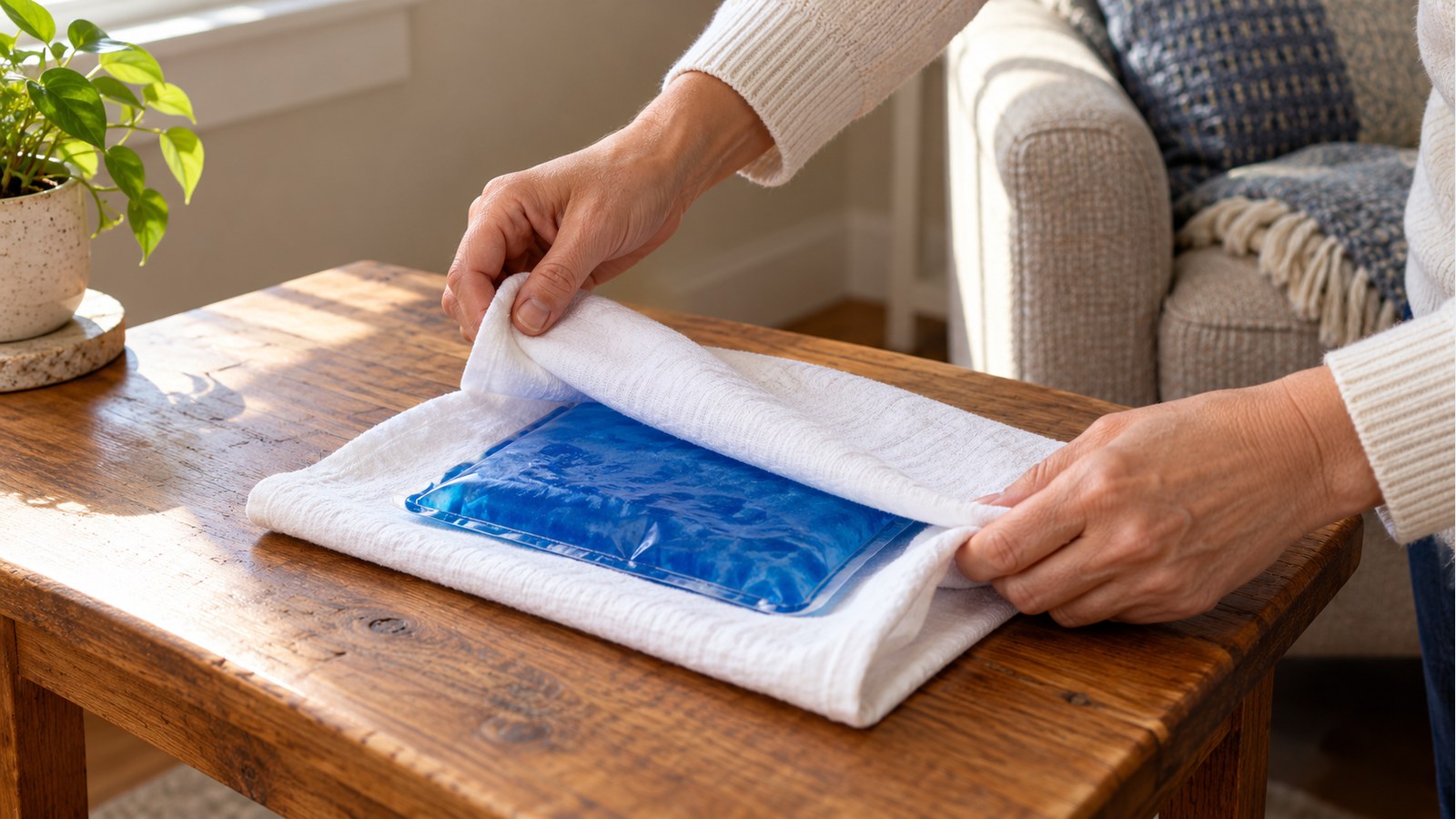
Ice comes first, in sessions of about 15 to 20 minutes. Heat takes over a few days in. Harvard Health, Hartford HealthCare and Goodman Campbell all give that order, so ice packs for sciatica pain are an early-days tool.
Get medical help promptly if: you notice numbness, weakness, or trouble controlling your bladder or bowels. Hartford HealthCare lists these as reasons to see a doctor.
All Three Sources Put Ice First but Switch to Heat at Different Times
Harvard Health says both ice packs and heat can ease sciatica pain and help you function better. Goodman Campbell agrees that heat and cold each have a role, but timing matters.
All three sources describe ice sessions of about 15 to 20 minutes. The rest between sessions is their biggest split.
Harvard Health allows at least 15 to 20 minutes off between sessions. Its on-off-on-off-on cycle takes 75 to 100 minutes, followed by a break to check how you feel. Goodman Campbell asks for at least 2 hours between sessions.
They also differ on how long the ice phase lasts. At Hartford HealthCare, Alfred Hicks, a doctor of osteopathic medicine (DO), says ice helps reduce inflammation during the first 24 to 48 hours, then advises switching to heat. Goodman Campbell’s ice window runs through the first 48 to 72 hours, and Harvard Health says the first few days.
Heat advice splits as well. Goodman Campbell suggests moist heat after 72 hours, for 15 to 20 minutes two to three times a day. Harvard Health says warm, not hot, for at least 15 minutes and no more than 2 hours.
Skin check before every session: keep a cloth layer between the pack and your skin, as both Harvard Health and Hartford HealthCare advise. Harvard Health also warns against frostbite and against falling asleep on a heating pad.
Same Minutes, Different Windows: The Three Sources Side by Side
| What each source says | Harvard Health | Hartford HealthCare | Goodman Campbell |
|---|---|---|---|
| Ice phase | First few days | First 24 to 48 hours | First 48 to 72 hours |
| Ice per session | No more than 15 to 20 minutes | About 15 to 20 minutes | 15 to 20 minutes |
| Gap between sessions | At least 15 to 20 minutes, in a 75- to 100-minute on-off cycle | — | At least 2 hours |
| Heat phase | Warm, not hot; 15 minutes to 2 hours | Switch to heat after the ice window | Moist heat after 72 hours, 15 to 20 minutes, 2 to 3 times a day |
| Skin protection | Cloth or towel between pack and skin; frostbite warning; don’t fall asleep on a heating pad | Cloth barrier between pack and skin | — |
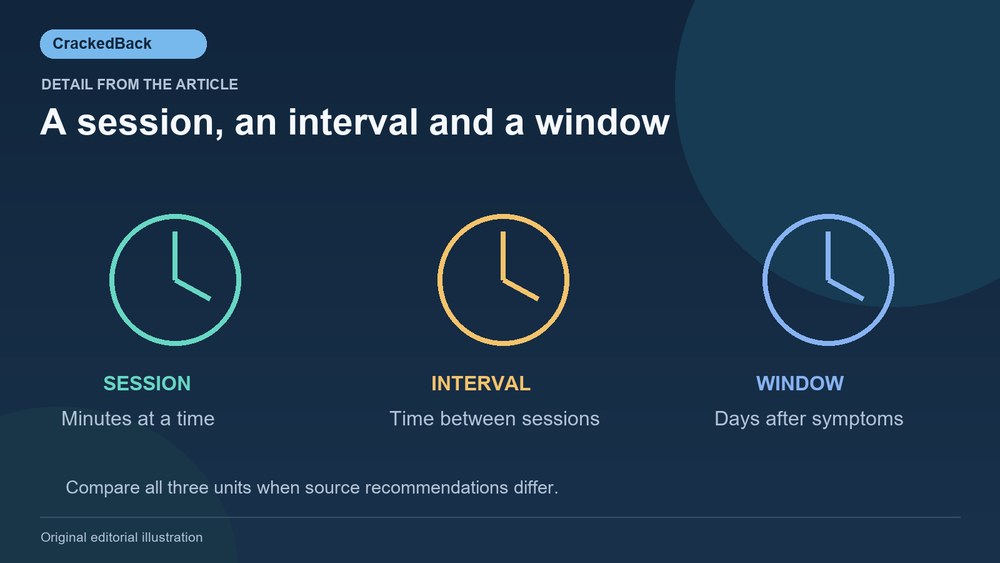
Window gap = 72 hours (Goodman Campbell) − 48 hours (Hartford HealthCare) = 24 hours, all of day 3.
On day 3 the sources split: Hartford has moved you to heat, while Goodman Campbell may still call for ice. If you want one rule, ice through the first 48 hours, which is Hartford’s upper limit and Goodman Campbell’s lower one, then expect heat by the end of day 3.
Short Walks Beat Too Much Rest Between Ice Sessions
Hartford HealthCare favors gentle movement over too much rest. In its words, “short walks or light stretching can reduce pressure on the nerve and improve flexibility.”
The two habits fit together. Ice for 15 to 20 minutes, then use the break before the next session for a short walk or a light stretch. Harvard Health says gentle stretches between ice sessions are fine, but it’s better to wait about half an hour for the area to warm. That half hour fits Goodman Campbell’s 2-hour gap more easily than Harvard’s shortest break.
If your pain spikes, Hartford says to take breaks as needed.
See also: Why Low Back Stretches Should Start at the Backs of Your Thighs.
What Comes After Ice Depends on the Cause, Not the Pack
The National Institute of Arthritis and Musculoskeletal and Skin Diseases (NIAMS) says how back pain is managed depends on the cause and symptoms, and often several factors play a part. An ice pack changes how the pain feels for a while. It tells you nothing about what is pressing on the nerve.
So ice and heat sit at the start of the sources’ advice, not the end. If home measures fall short, the next options depend on what a clinician finds.
Harvard’s Free Option: A Paper-Cup Ice Massage, 10 Minutes at Most
Harvard Health describes a free ice massage:
- Freeze water in a paper cup, then tear away the top half.
- Rub the ice on your lower back in circles, over an area about 6 inches across.
- Keep the cup moving to avoid frostbite.
- Avoid the bony part of the spine.
- Stop within 10 minutes, and wait at least an hour before the next one.
Ice Packs for the Low Back: Listed Sizes Run From 152 to 286 Square Inches
A pack helps only if it covers the sore area and stays put for the whole session. Walmart’s sciatica ice pack listings give sizes, so you can compare coverage in inches.
| Pack (as listed on Walmart) | Listed size | Area (length × width) |
|---|---|---|
| FlexiKold Gel Ice Packs (Large), by NatraCure | 10.5 in. x 14.5 in. | 152.25 sq in |
| BodyMed reusable gel ice pack (Standard) | 14 in. x 11 in. | 154 sq in |
| Ktinnead Extra Large Gel Ice Hot Pack | 12 in. x 21 in. | 252 sq in |
| Ice Pack Wrap for Back Pain, 13x22 inch | 13 in. x 22 in. | 286 sq in |
FlexiKold’s “Large” covers 152.25 square inches, slightly less than BodyMed’s “Standard” at 154. The 13 x 22 in. wrap covers almost twice the BodyMed’s area (286 ÷ 154 = 1.86).
The KingPavonini Extra Large listing includes 2 gel packs and an extension strap, and calls its Lycra fabric skin-safe.
Verdict: if you need to cover the whole low back, pick by listed inches, not labels. If you want the pack held in place, pick one with a strap, such as the KingPavonini.
The flaw, and its fix: the KingPavonini’s 35 minutes of cold is the seller’s claim. That is 1.75 times the 20-minute top end the health sources give (35 ÷ 20 = 1.75). Set a 20-minute timer and take the pack off while it’s still cold.
Strengths: two gel packs, a strap, and a listing that also offers “Hot Cold Therapy,” which helps once the ice phase ends.
Who should skip: if you’re past day 3, two of the three sources have already moved you to heat. Use a warm (not hot) heat source instead, per Harvard Health. If you have any of the warning signs at the top of this page, a better pack won’t help. See a doctor.
See also: Cold Pack for Neck Pain: Try a DIY Ice Pack Before You Buy a Neck Wrap.
Call Your Doctor When Pain Isn’t Manageable or Isn’t Easing
Self-care has limits, and Harvard Health names them. It advises calling your doctor if the pain isn’t manageable, or if it hasn’t started to ease after a week.
The numbness, weakness, and bladder or bowel signs in the box at the top need prompt care, not more ice.
The longer outlook is calm. Harvard Health reports that about 90% of people with sciatica get better without surgery, most within a few weeks. That figure is about surgery, not about ice. It doesn’t show that any one home routine made the difference.
Next step: once the ice phase ends, Lower Back Pain Exercises: How to Start, Pace and Progress Safely shows how to build movement back up.
Sciatica Ice Pack Questions
How long should I ice sciatica at one time?
About 15 to 20 minutes, according to all three sources. The rest gap splits them: at least 15 to 20 minutes for Harvard Health, at least 2 hours for Goodman Campbell.
When should I switch from ice to heat?
It depends on the source. Hartford HealthCare switches after the first 24 to 48 hours, Goodman Campbell after 72 hours, and Harvard Health after the first few days, once the pain is subsiding.
Can I put a gel pack straight on my skin?
Harvard Health and Hartford HealthCare both describe a cloth layer between the pack and your skin.
This article summarizes public health sources and product listings for general information. It is not medical advice. A clinician who examines you can judge what your symptoms need.
Sources
- https://www.health.harvard.edu/pain/sciatica-home-remedies-and-self-care
- https://hartfordhealthcare.org/about-us/news-press/news-detail?articleId=68449
- https://www.goodmancampbell.com/2026/06/is-hot-and-cold-treatment-good-for-sciatica/
- https://www.niams.nih.gov/health-topics/back-pain
- https://www.amazon.com/KingPavonini-Extension-Reusable-Sciatica-Herniated/dp/B0CPDC8PG5
- https://www.walmart.com/c/kp/ice-packs-sciatica