Low Back Pain on the Right Side: How to Tell Back From Organ Pain
Korba Spine Clinic names seven usual drivers of one-sided low back pain, and six of them sit in the back's own joints, discs, nerves and muscles. Pattern beats side: if the pain doesn't change when you bend, twist, sit, walk or cough, or comes with fever or urinary signs, get it checked.

Where it hurts tells you less than what the pain does. One-sided low back pain is “usually mechanical,” says Korba Spine Clinic, whose article carries insights from physical therapist Dr. Vivek Arora. In plain terms, a joint, disc or muscle on that side carries more load than its partner on the other side. Cleveland Clinic says lower right back pain usually comes from an issue with the back itself.
Korba’s screen comes down to two questions. Does the pain change when you bend, twist, sit, walk or cough? And does it come on its own, with no other symptoms? Pain that ignores position, or arrives with fever, urinary signs or new numbness or weakness, needs a clinician’s check rather than exercises. The signs in the box below skip that sorting and go straight to same-day care.
Get same-day care if back pain comes with any one of these, per Korba Spine Clinic:
- Bladder or bowel changes
- Numbness in the saddle area (groin, inner thighs and buttocks)
- Leg weakness that is new or spreading
- Fever
- Chills, night sweats or weight loss you can’t explain
- Blood in the urine, or severe flank pain (in your side, below the ribs) with nausea or vomiting, a possible kidney stone
- Severe right lower belly pain, loss of appetite, fever (possible appendicitis)
- A recent hard fall, crash or other significant injury
- A painful blistering rash on one side of the body (possible shingles)
- Constant, worsening pain that doesn’t change with position and wakes you repeatedly
Six of Korba’s Seven Usual Drivers Are Mechanical, and One Is Non-Spinal
Cleveland Clinic counts pain anywhere on the right side of the back, between the hips and the bottom of the rib cage, as lower right back pain. In that zone, Korba lists seven drivers behind the large majority of one-sided low back pain:
- Sacroiliac joint irritation, where the spine meets the pelvis
- Lumbar facet joint irritation, in the small joints that link the vertebrae
- Disc or nerve root involvement
- Quadratus lumborum and gluteal muscle pain: a deep muscle beside the spine, and the buttock muscles
- Pain referred from the hip
- Stiffness where the mid back meets the low back (the thoracolumbar junction) and in the ribs
- Non-spinal sources such as the kidney, the appendix or shingles
Nerve pain feels different from a sore muscle. Healthline says nerve pain from spinal conditions on the right side can feel tingling, burning, numb or sharp. It can also spread to the buttocks and legs. Spreading pain on its own is not one of Korba’s same-day flags, but leg weakness that is new or spreading is.
See also: physical therapy for sciatica: your cause picks the exercises.
Kidneys, the Appendix and Pelvic Organs Can Push Pain Into the Lower Right Back
Kidney stones and kidney infections can both reach the lower right back. Healthline describes kidney stone pain as sharp and cramping across the lower back, belly and groin. Health.com adds that kidney problems can bring fever, nausea, vomiting, pain when you urinate and blood in the urine.
Appendicitis can start in the belly instead of the back. Health.com says it may begin as a severe bellyache near the belly button that shifts to the lower right side. From there it can spread to the lower right back.
Endometriosis means tissue like the womb lining grows outside the womb. It affects 1 in 10 females in the United States, according to New Jersey Spine Specialists. When it grows on the right ovary or fallopian tube, the practice says, pain can run from the right side through to the back.
Six Signs Side by Side: What Each Points To and How Fast to Act
A row that fits points to a likely cause. It doesn’t confirm one. A sign from the box at the top still means same-day care, whichever row it falls in.
| What you notice | What it may point to | What to do | Sources |
|---|---|---|---|
| An ache on one side that changes as you bend, twist, sit or walk, with no sign from the box; it can follow long sitting or slouching | Usually a mechanical driver: a muscle, the sacroiliac joint or a facet joint | Keep moving gently; try heat or cold early; book a visit if it lasts more than a few days or worsens with rest | Korba Spine Clinic, EER24 (a Beaumont emergency room), Cleveland Clinic |
| Tingling, burning, numbness or sharp pain spreading to the buttock or leg | Disc or nerve root irritation | Not a same-day sign on its own; same day if leg weakness is new or spreading, or bladder, bowel or saddle changes appear | Healthline, Korba Spine Clinic |
| Sharp, cramping pain across the lower back, belly and groin; fever, nausea, vomiting, pain when urinating, blood in the urine | Kidney stone or kidney infection | Same day for fever or blood in the urine, or for severe flank pain with nausea or vomiting | Healthline, Health.com, Korba Spine Clinic |
| A severe bellyache near the belly button that moves to the lower right side and can reach the back; loss of appetite; fever | Appendicitis | Same day | Health.com, Korba Spine Clinic |
| Pain from the right side through to the back, or pain that returns with your menstrual cycle | Endometriosis on the right ovary or fallopian tube; ovulation or periods can also bring mild aches | Book a visit with a gynecologist if it persists or keeps returning with your cycle | New Jersey Spine Specialists, EER24 |
| A painful blistering rash on one side of the body | Shingles | Same day | Korba Spine Clinic |
Is Your Lower Back Pain Serious? Pain That Ignores Movement Needs a Check
Sort by how fast you need to act.
Same day: any sign in the box at the top, per Korba Spine Clinic. Blood in the urine and the appendicitis signs (severe right lower belly pain, loss of appetite, fever) are on that list.
Book a visit if:
- The pain doesn’t change with position at all. Korba says that pattern needs assessment rather than exercises.
- The pain lasts more than a few days or gets worse even with rest, per Cleveland Clinic.
- The pain persists or comes and goes with your menstrual cycle. EER24 says persistent or cyclical pain should be checked by a gynecologist, though ovulation or periods can also bring mild aches.
Movement Comes First for Muscle-Type Pain, Then Heat, Cold and Desk Fixes
Two of the sources disagree on rest. Korba Spine Clinic says movement beats rest and recommends short, frequent walks. EER24 says mild strains improve with rest and gentle stretching. Both include gentle movement, so that is the common starting point.
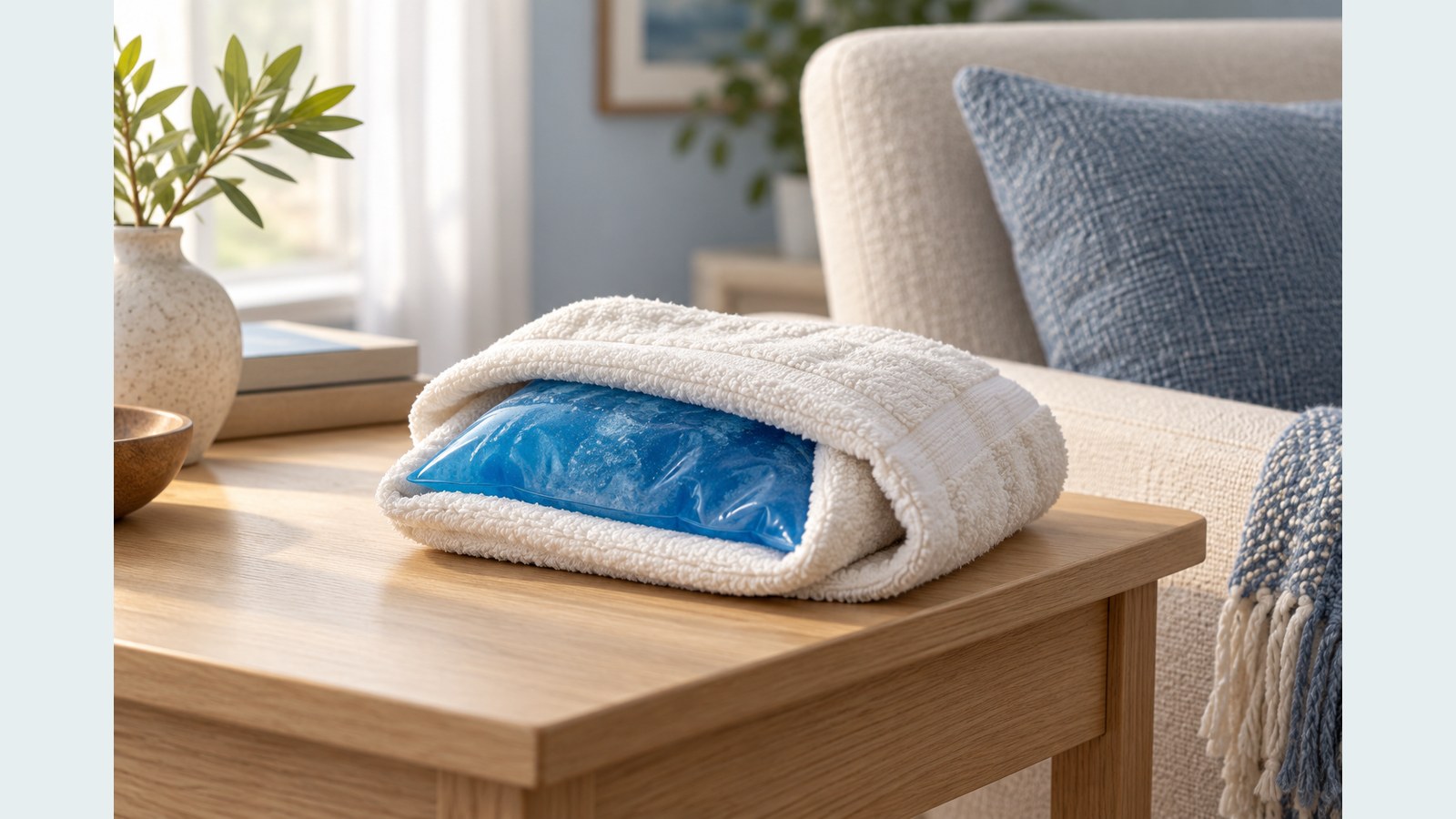
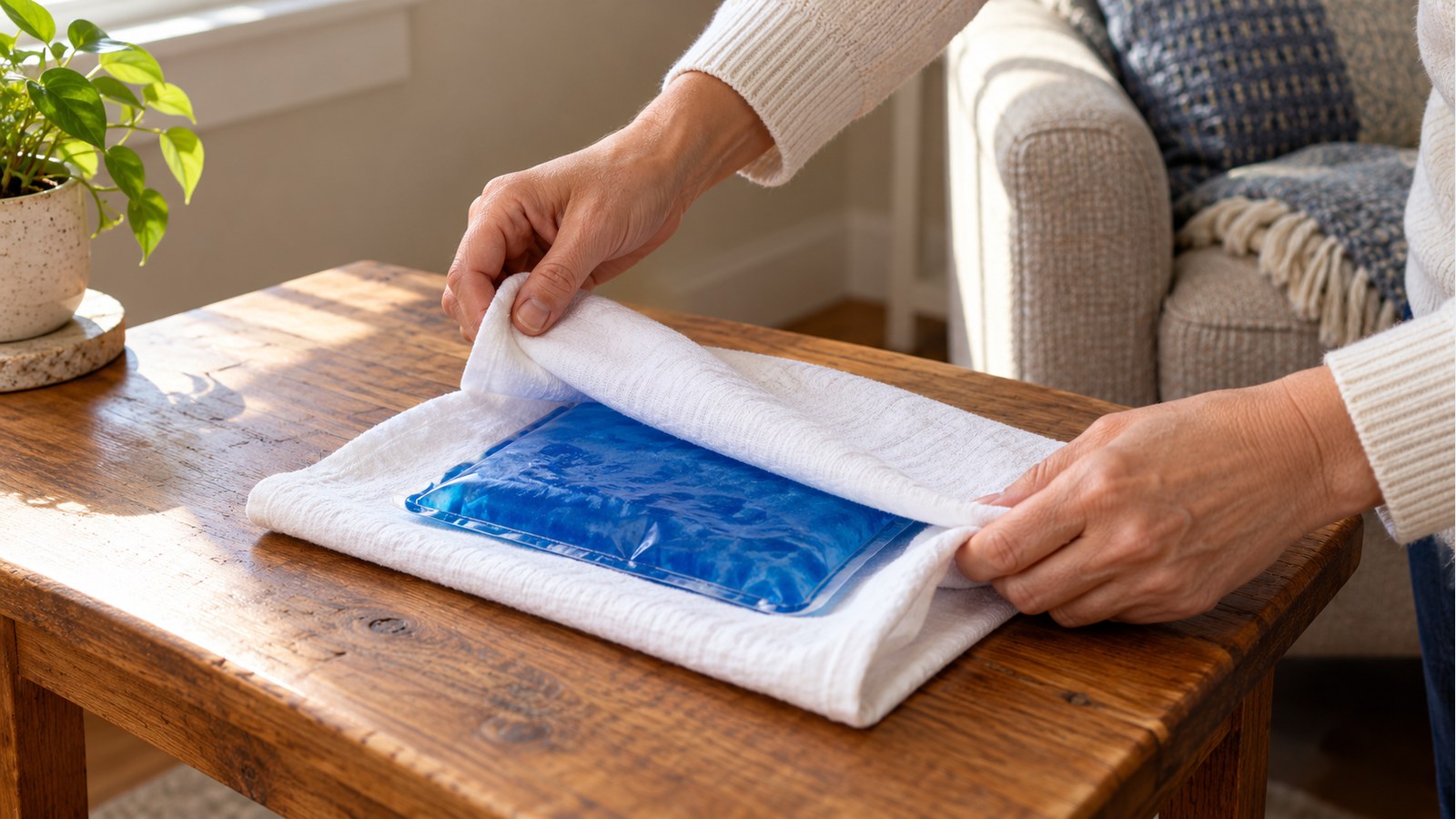
EER24 also says heat or cold packs used early help reduce inflammation and stiffness.
EER24 names desk time as one route to this kind of strain. Long hours in a chair, or slouching at a desk, can weaken your core and overload your lower back muscles. Its suggestions include ergonomic seating. Pairing a chair that fits with Korba’s short walks breaks up the long sitting EER24 describes.
These steps are for pain that changes with movement and comes on its own, which is when Korba says you can usually start a plan. If any sign from the box at the top appears, get same-day care instead.
See also: why low back stretches should start at the backs of your thighs.
Next step: Pain on the other side? Pain in your lower left back: muscle, spine or organ walks through the same clues for the left.
FAQ: Pulled Muscles, Right vs Left, and How Long It Lasts
What Are the Symptoms of a Pulled Muscle in the Back?
EER24 says strain pain often stays in one spot and gets worse with movement or pressure. New Jersey Spine Specialists list aching and stiffness in the lower back, a restricted range of motion, trouble standing or sitting upright, and pain that extends into the buttocks. A sign from the box at the top still means same-day care.
Is Low Back Pain on the Right Side More Serious Than on the Left?
The side alone doesn’t decide it. Korba says the pattern matters more than the side: how the pain responds to movement, and whether fever or urinary signs come with it.
How Long Does One-Sided Back Pain Take to Settle?
Korba says one-sided low back pain is usually mechanical, and most episodes settle over 4 to 6 weeks with graded movement and sensible pacing rather than rest. That is the usual course. It is not a reason to wait out any sign in the box at the top.
This page summarizes public clinic and health-publisher pages and is not medical advice. See a doctor or other licensed clinician if your pain doesn’t change with movement, keeps getting worse, or comes with any sign in the red-flag box or the table.
Sources
- https://my.clevelandclinic.org/health/diseases/22864-lower-right-back-pain
- https://www.livafortis.us/post/low-back-pain-on-the-right-side-what-does-it-mean
- https://korbaspineclinic.com/low-back-pain-on-right-side-7-hidden-causes/
- https://www.healthline.com/health/pain-in-lower-back-right-side
- https://www.health.com/pain-in-lower-right-back-8674627
- https://njspinespecialists.net/lower-right-back-pain-nj/
- https://eer24.com/what-does-lower-right-back-pain-mean