Before You Ice a Sore Lower Left Back: The Signs to Check First
Most of the time a sore lower left back is a strained or overused muscle, and about 84 percent of adults get lower back pain at some point. Fever, nausea, urinary changes, digestive problems or bleeding alongside it mean calling a provider instead of relying on home care.
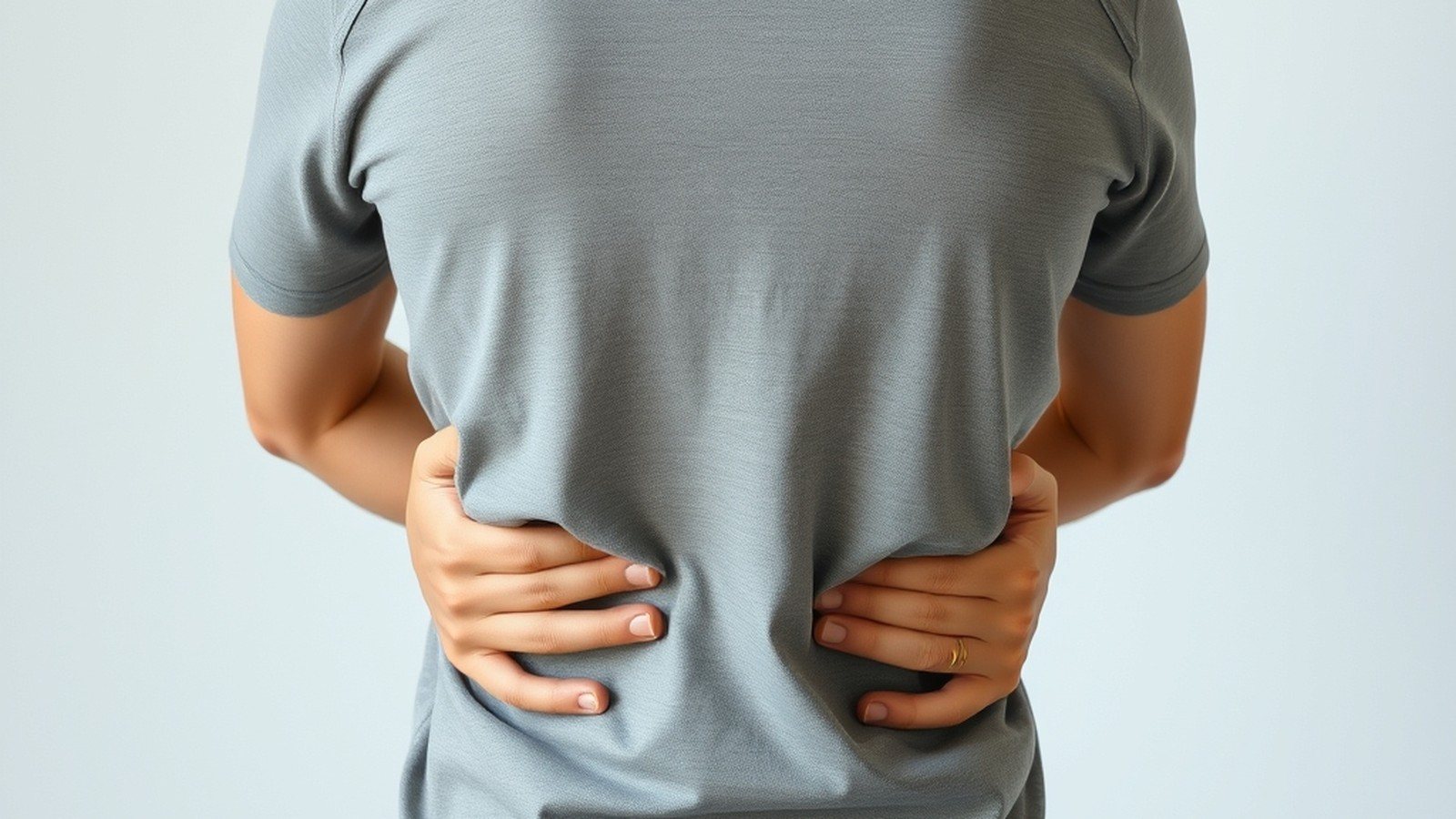
Most lower left back pain is a strained or overused muscle. Fyzical, a physical therapy clinic, says so “in most cases” and links that pain to habits like sitting crooked at a desk or always rolling onto your left side in sleep. If you have a sore lower left back, a few extra symptoms point somewhere else, so check those first.
Call a healthcare provider now if lower left back pain comes on suddenly and severely, or comes with fever, nausea, urinary changes, digestive problems or bleeding. Sesame says these can signal a serious health condition and calls for contacting your healthcare provider right away.
Most Lower Left Back Soreness Is a Strained or Overused Muscle
The sources start with muscles and soft tissue. Mandaya Hospital Group says that in most cases, left-side lower back pain comes from tissue injuries to muscles, bones and ligaments. Cleveland Clinic says the cause of lower back pain is most often an injury to the muscles or tendons in your back.
Health.com says most back pain is mechanical. That means it involves the spine, the discs between the vertebrae, or the soft tissue around them.
Why only one side? Fyzical points to the quadratus lumborum (QL), a deep muscle that crosses both sides of your lower back. Its left-side pain page says the QL suffers if you always lift heavy objects with your left hand, or sit crooked for hours leaning on your left shoulder. When your core is weak, it adds, these muscles overwork just to keep you upright.
Sesame also cites the World Health Organization (WHO) estimate that lower back pain is the single leading cause of disability worldwide.
Long Sitting, Crooked Posture and Left-Side Sleeping Load One Side
Start with the desk. Spine-health says lower back pain can show up after you sit or stand for a long time, and sometimes no cause can be found. Verywell Health adds that pain from a muscle injury may get worse after long sitting.
When the pain comes and goes tells you something. Spine-health says pain that builds while you sit and eases once you stand may point to a herniated disc, where a spinal disc’s soft center pushes outward. Healthline says sciatica gets worse with long sitting. Sciatica is pain that follows the nerve from the lower back down the leg.
Both habits Fyzical names put weight on one side, at the desk and in bed. If your pain runs down your leg, see physical therapy for sciatica.
Fever, Urine Changes or Groin Pain Point Beyond the Back Muscles
Several sources also name organ causes. Mandaya lists kidney infection, kidney stones, pancreatitis and endometriosis. Verywell Health names kidney issues alongside muscle injury and arthritis. Health.com mentions conditions outside the spine, and Fyzical mentions internal organs.
What sets these apart is the extra symptom that comes with the ache:
| Extra symptom the sources name | Possible cause | Named by |
|---|---|---|
| Fever, chills, cloudy or bloody urine | Kidney infection | Mandaya, Sesame |
| Pain spreading to the groin, painful urination | Kidney stones | Sesame, Healthline |
| Upper belly pain that gets worse after fatty food | Pancreatitis (an inflamed pancreas) | Sesame, Mandaya |
The right-away signs are the ones in the top box, per Sesame. For pain on the left side that keeps going, Fyzical says to speak with your doctor.
Rest, Ice and Heat Come First When No Warning Signs Are Present
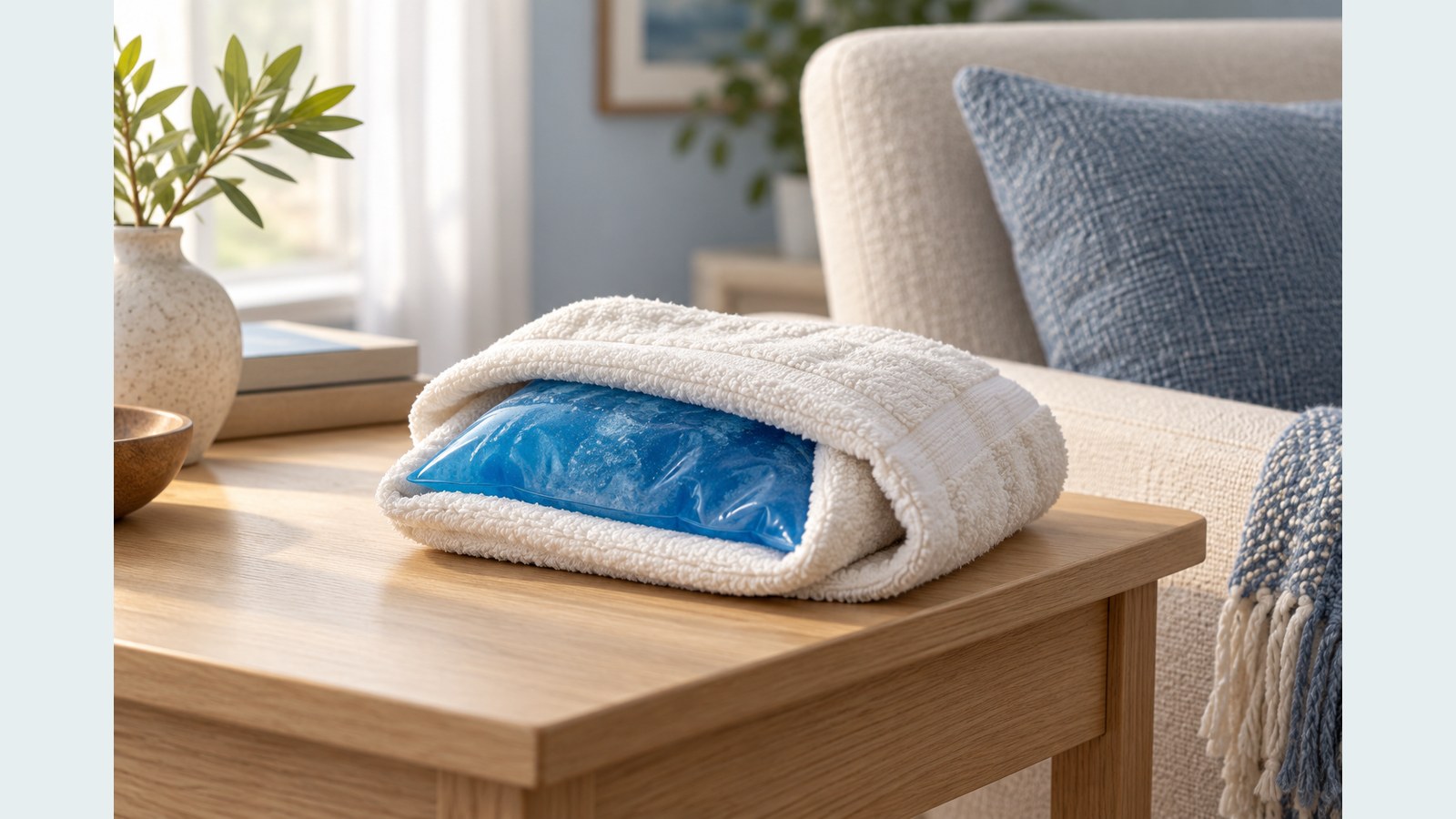
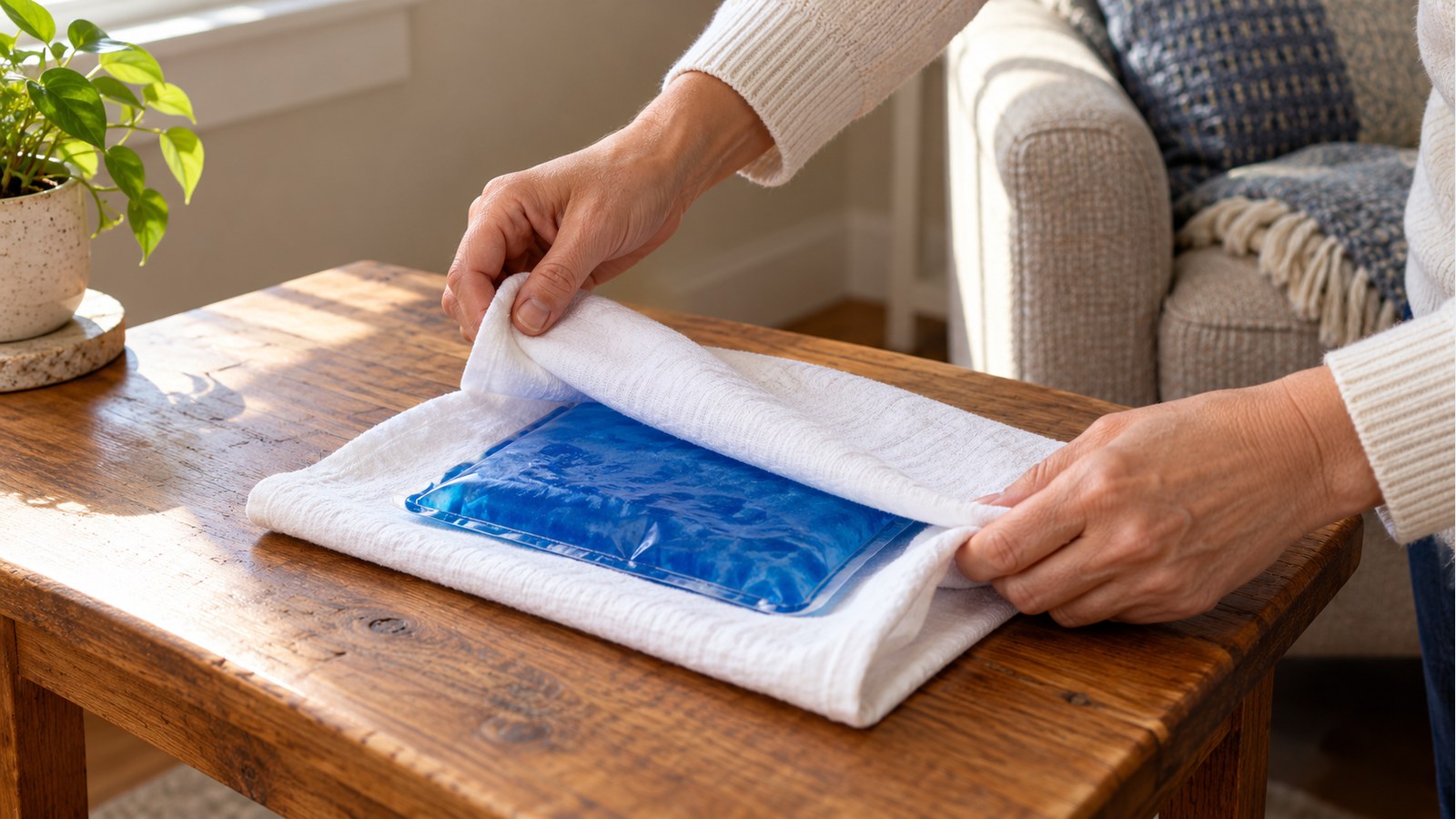
If none of those signs apply, the sources’ home steps overlap. Verywell Health names four: rest, ice, heat and over-the-counter anti-inflammatory medicines. Mandaya lists rest, a cold compress and heat therapy.
Cleveland Clinic says lower back pain often gets better with rest, physical therapy and/or medication. Rest is the one step all three name. Mandaya adds that complete bed rest is usually not advised.
Where home care fits, in four lines:
- Verdict: rest, ice and heat are the home steps the sources name for a sore lower left back without the top box’s signs.
- The flaw, and its fix: home care has a limit. If you can’t manage the pain at home, Verywell Health says a provider may suggest prescription medicines or physical therapy.
- The strengths: all three sources with home steps name rest, and Mandaya says a cold compress can reduce inflammation and discomfort.
- Who should skip it: anyone with sudden severe pain or a sign from the top box should contact a provider right away, per Sesame.
See also why low back stretches should start at the backs of your thighs.
Sitting, Standing and Sleep Habits Are the Clues Worth Noting
These are checks, not a therapy plan. Each one looks at a habit or pattern a source ties to one-sided pain.
- Sit square. Fyzical names sitting crooked at a desk as one habit. Verywell Health advises sitting and standing straight, “maintaining a 90-degree angle at all joints.” Check your hips, knees and elbows.
- Time the ache. Note how long you sit before it starts. Verywell Health says muscle-injury pain may worsen after long sitting.
- Notice what standing does. If the pain eases when you stand, write it down. Spine-health links that pattern to a possible herniated disc, so tell a clinician about it.
- Check for leg pain. Pain down the leg that gets worse while you sit matches what Healthline describes for sciatica.
- Check your sleep side. If you always roll onto your left side, that is the habit Fyzical points to. Mention it to a physical therapist.
Seven Sources Agree: Muscle First, With Organ Causes Also Named
| Source | Muscle or tissue cause | How it frames that cause | What else it adds |
|---|---|---|---|
| Mandaya Hospital Group | Tissue injury to muscles, bones, ligaments | “In most cases” | Kidney infection, kidney stones, pancreatitis, endometriosis |
| Fyzical | Overused or strained muscle | “In most cases” | The QL muscle; sitting crooked; rolling left in sleep |
| Cleveland Clinic | Injury or strain to muscles or tendons | “Most often” | Often gets better with rest, physical therapy and/or medication |
| Healthline | Muscle strain or sprain | “The most common cause” | Sciatica; kidney stones or infection |
| Health.com | Mechanical: spine, discs, soft tissue | “Most back pain” | Conditions outside the spine |
| Verywell Health | Muscle injury | Listed with arthritis and kidney issues | Rest, ice, heat, over-the-counter anti-inflammatories |
| Sesame | Injury to muscles, ligaments or spine | Often | The warning signs in the top box; the WHO disability ranking |
What the table shows that no single page does:
- All seven name a muscle or soft-tissue cause. Five use the strongest wording (“in most cases”, “most often”, “most” or “the most common”). Sesame says often, and Verywell Health lists it alongside arthritis and kidney issues.
- At least six name a cause outside the back muscles and spine, from kidney problems to endometriosis.
- Rest is the shared home step across the three sources here that list home care.
How Long a Back Ache Usually Lasts, and When to Get It Checked
To see how long a back ache usually lasts and the time points for getting it checked, read Lower Back Aching: The 3-Day and 1-Week Checkpoints.
Questions About a Sore Lower Left Back
Should I Use Ice or Heat?
Mandaya says a cold compress can reduce inflammation and discomfort, and it lists heat therapy as a separate step. Verywell Health lists both among its four home steps. None of these sources says which to use first or for how long.
What If No Cause Is Found?
That happens. Spine-health says sometimes no cause can be found. A provider or physical therapist can still look at the ache alongside your desk and sleep habits.
When Should I See a Clinician?
Contact a provider right away for sudden severe pain or any sign in the box at the top, per Sesame. If the pain on your left side keeps going, Fyzical says to speak with your doctor. You can also book a visit any time you want the cause checked rather than guessed.
This article summarizes public health sources and is not medical advice. A healthcare provider can assess your own symptoms.
Sources
- https://www.healthline.com/health/lower-back-pain-left-side-above-buttocks
- https://sesamecare.com/blog/lower-left-side-back-pain-internal-organs
- https://www.verywellhealth.com/lower-left-back-pain-8662503
- https://mandayahospitalgroup.com/causes-of-left-side-lower-back-pain/
- https://www.fyzical.com/duluth-ga/blog/left-side-lower-back-pain
- https://my.clevelandclinic.org/health/diseases/7936-lower-back-pain
- https://www.spine-health.com/blog/severe-lower-back-pain-when-sitting-or-bending
- https://www.health.com/lower-left-back-pain-8424610